
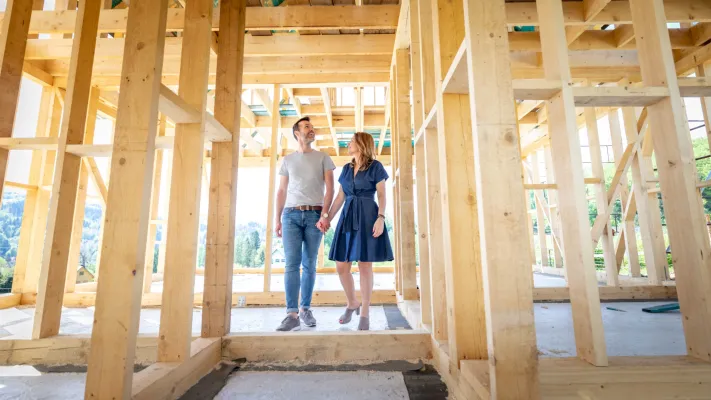
New-construction homes offer modern layouts, energy-efficient systems, and the appeal of being the first occupant. While these benefits are attractive, purchasing a newly built home is different from buying an existing property. The process involves unique contracts, timelines, and financial considerations that require careful planning and informed decision-making.
Understanding how new-construction purchases work can help buyers avoid common pitfalls and move forward with confidence.
Understanding the New-Construction Market
New-construction homes generally fall into two categories. The first is custom homes, which are built to buyer specifications, often on a privately owned lot. These homes provide flexibility in design but typically involve longer timelines and more decisions throughout the build.
The second category is spec homes, which are built in advance by the builder with predetermined layouts and finishes. Spec homes often allow for quicker move-in and fewer customization choices, making them appealing to buyers with tighter timelines.
Understanding which type of new-construction home fits your goals is an important first step.
Why Buying New Construction Is Different
Purchasing a new-construction home is not the same as buying a resale property. Builder contracts are typically written to protect the builder and often differ significantly from standard real estate contracts. These agreements may limit negotiation options, include strict timelines, and outline specific procedures for delays or changes.
Buyers should carefully review all contract terms and understand how deposits, upgrades, and contingencies are handled before signing.
Assemble the Right Professional Team
A successful new-construction purchase starts with the right team. Buyers benefit from working with:
- A real estate agent experienced in new-construction transactions
- A lender familiar with construction timelines and builder requirements
- An independent home inspector who represents the buyer’s interests
Having professionals involved early helps ensure proper representation, accurate budgeting, and fewer surprises throughout the process.
Research the Builder Thoroughly
Not all builders operate the same way. Before committing, buyers should research the builder’s reputation by reviewing completed communities, reading customer feedback, and confirming licensing and warranty policies.
Understanding how the builder handles communication, change requests, and post-closing service can provide insight into the overall experience and long-term satisfaction.
Understanding Pricing and Negotiation
While base prices for new-construction homes are often firm, buyers may still have room to negotiate. Builders may be more flexible with incentives such as:
- Closing cost contributions
- Appliance packages
- Design upgrades or premium features
Buyers should evaluate the total cost of ownership rather than focusing only on the advertised base price.
Timing and Leverage
Timing can play a role in negotiation strength. Builders may offer greater incentives during slower sales periods or when inventory needs to move. End-of-quarter or end-of-year timelines can also create opportunities for additional concessions.
Understanding market conditions and builder priorities can help buyers maximize value.
Independent Inspections Matter
Even brand-new homes can have construction defects. Independent inspections at key stages, such as pre-drywall and final walkthrough, help identify issues before closing. This allows buyers to request repairs or corrections while the builder is still responsible.
Skipping inspections can result in costly repairs later, making this step an essential part of the process.
Managing the Build Process
Construction timelines are estimates, not guarantees. Weather, material availability, and labor constraints can cause delays. Buyers should maintain clear communication with the builder and keep written documentation of selections, changes, and approvals.
Staying organized helps reduce confusion and ensures expectations are aligned throughout the build. With proper planning and professional guidance, buying a new-construction home can be a rewarding experience.
If you are considering a new-construction purchase, contact our team today to review your options and receive expert guidance throughout the process.